
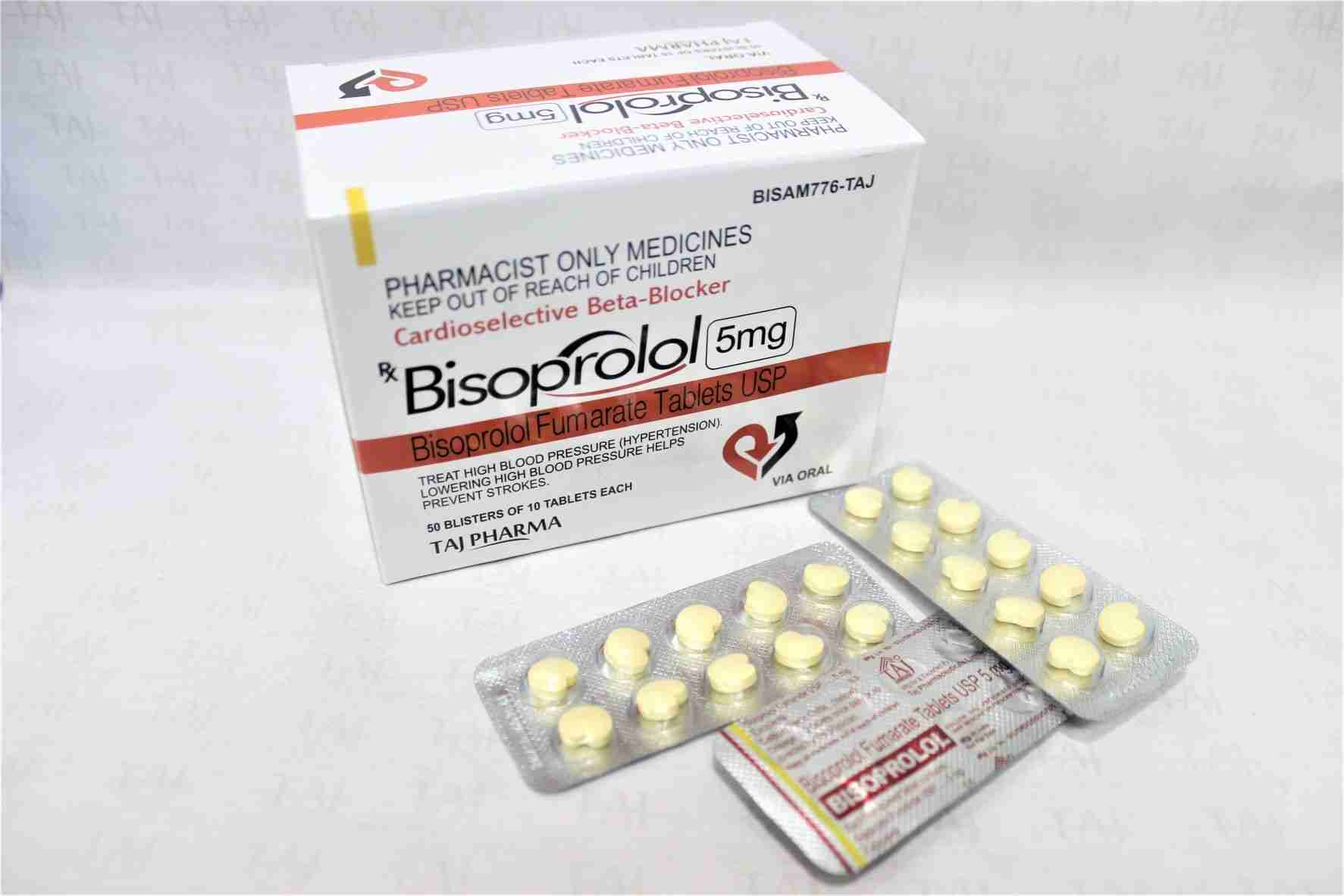
Bisoprolol Fumarate is a highly effective cardioselective beta-1 adrenergic receptor blocker, commonly prescribed to manage a variety of cardiovascular conditions. Its primary role is to protect the heart from the overstimulation caused by stress hormones, including adrenaline and noradrenaline. This selective action ensures targeted effects on the heart while minimizing interference with beta-2 receptors found in the lungs and vascular smooth muscle. The 5 mg tablet represents a widely utilized therapeutic dose, suitable for both initial therapy and long-term maintenance, depending on the patient’s specific cardiovascular condition.
Uses and Clinical Indications
1. Hypertension (High Blood Pressure)
Bisoprolol Fumarate 5 mg is frequently prescribed to reduce elevated blood pressure. By slowing heart rate and diminishing myocardial contractility, bisoprolol effectively lowers cardiac output, thereby reducing arterial pressure. Maintaining optimal blood pressure is critical to prevent long-term complications, including:
- Stroke
- Heart attack (myocardial infarction)
- Chronic kidney disease
Consistent adherence to bisoprolol therapy, combined with lifestyle modifications, ensures sustained blood pressure control and minimizes cardiovascular risk.
2. Angina Pectoris (Chest Pain)
Angina, caused by reduced oxygen supply to heart muscles, can significantly impact quality of life. Bisoprolol works by reducing the heart’s workload and oxygen demand, thereby preventing ischemic episodes and controlling chest pain symptoms. Its beta-1 selectivity ensures that it primarily affects cardiac tissue, enhancing therapeutic efficiency.
3. Stable Chronic Heart Failure
In patients with stable chronic heart failure, bisoprolol is often used in combination with ACE inhibitors and diuretics. This multi-drug approach improves cardiac efficiency by:
- Enhancing ventricular function
- Reducing ventricular remodeling
- Lowering mortality and hospitalization rates
Initial therapy often starts at a low dose, gradually titrated based on patient tolerance and response, allowing for optimized long-term outcomes.
Mechanism of Action: How Bisoprolol Protects the Heart
Bisoprolol Fumarate exhibits cardioselectivity, binding primarily to beta-1 adrenergic receptors in the heart. Its mechanism of action includes:
- Negative Chronotropy: Slows the heart rate, reducing cardiac workload.
- Negative Inotropy: Decreases the force of heart contraction, lowering oxygen consumption.
The combined effect is a reduction in cardiac output and arterial pressure, which alleviates strain on the heart, promotes myocardial oxygen efficiency, and stabilizes heart rhythm in patients with underlying cardiovascular disease.
Dosage and Administration of 5 mg Bisoprolol Fumarate
Dosage Form
Bisoprolol Fumarate is available in oral tablets, with 5 mg being a standard therapeutic option. The drug is designed for once-daily administration, ensuring convenience and steady plasma levels.
Administration Guidelines
- Timing: Preferably taken in the morning to coincide with peak daily activity.
- Food Consideration: Can be taken with or without meals.
- Initial/Starting Dose: 5 mg may serve as an initial dose for hypertension or angina.
- Dose Titration: Depending on patient response, the dose may be gradually increased, with maximum recommended doses reaching up to 20 mg/day under medical supervision.
Onset and Full Therapeutic Effect
- Blood Pressure Reduction: Noticeable within approximately 2 hours.
- Maximum Effect: Full benefits may take 2–6 weeks, emphasizing the importance of continued adherence and regular monitoring by healthcare providers.
Critical Note on Discontinuation
Abrupt cessation of bisoprolol can trigger severe cardiovascular events, particularly in patients with coronary artery disease, including:
- Heart attack
- Severe angina
- Arrhythmias
Gradual dose reduction under medical supervision is essential to avoid rebound tachycardia or hypertensive crises.
Essential Warnings and Precautions
1. Respiratory Conditions
Patients with asthma or COPD should exercise caution. High doses of bisoprolol can potentially exacerbate bronchospasm.
2. Diabetes Management
Bisoprolol may mask hypoglycemia symptoms, such as tachycardia, complicating blood sugar management in diabetic patients.
3. Severe Heart Conditions
Avoid use in patients with:
- Severe bradycardia (slow heart rate)
- Uncompensated heart failure
Careful evaluation is required to prevent life-threatening complications.
4. Peripheral Circulation Issues
Conditions like Raynaud’s phenomenon may worsen, as bisoprolol can reduce blood flow to extremities.
5. Surgical and Anesthetic Considerations
Inform healthcare providers prior to any surgical procedures or anesthesia, as bisoprolol may influence hemodynamic stability during operations.
Potential Side Effects of Bisoprolol Fumarate 5 mg
While generally well tolerated, adverse effects may occur.
| Category | Common Side Effects (≤10%) | Serious Side Effects (Seek Immediate Care) |
|---|---|---|
| General | Fatigue, dizziness, headache | Severe allergic reactions (rash, facial swelling, breathing difficulty) |
| Cardiovascular | Slow heart rate, cold extremities | Worsening heart failure, irregular heartbeat, severe edema |
| Gastrointestinal | Nausea, diarrhea, constipation | Severe chest pain, profound arrhythmias |
Action Plan: Persistent or concerning symptoms require prompt consultation with a healthcare provider to adjust therapy or manage adverse events.
Drug Interactions and Lifestyle Considerations
- Other Heart Medications: Concurrent use with other beta-blockers, calcium channel blockers, or anti-arrhythmic drugs can potentiate bradycardia or hypotension.
- Alcohol Consumption: May exacerbate dizziness or fatigue.
- Exercise and Physical Activity: Monitor heart rate during exertion, as bisoprolol blunts tachycardic responses.
Bisoprolol Fumarate 5 mg offers a balanced and targeted approach to managing cardiovascular conditions such as hypertension, angina, and chronic heart failure. Its cardioselective nature, combined with predictable pharmacokinetics, allows for flexible dosing, reduced side effects, and enhanced patient compliance. By carefully following prescribed guidelines, patients can achieve:
- Stable blood pressure
- Reduced episodes of angina
- Improved cardiac function in heart failure
- Lowered long-term risk of cardiovascular events
Consistent use under medical supervision ensures optimal therapeutic benefits, supporting long-term cardiovascular health.